
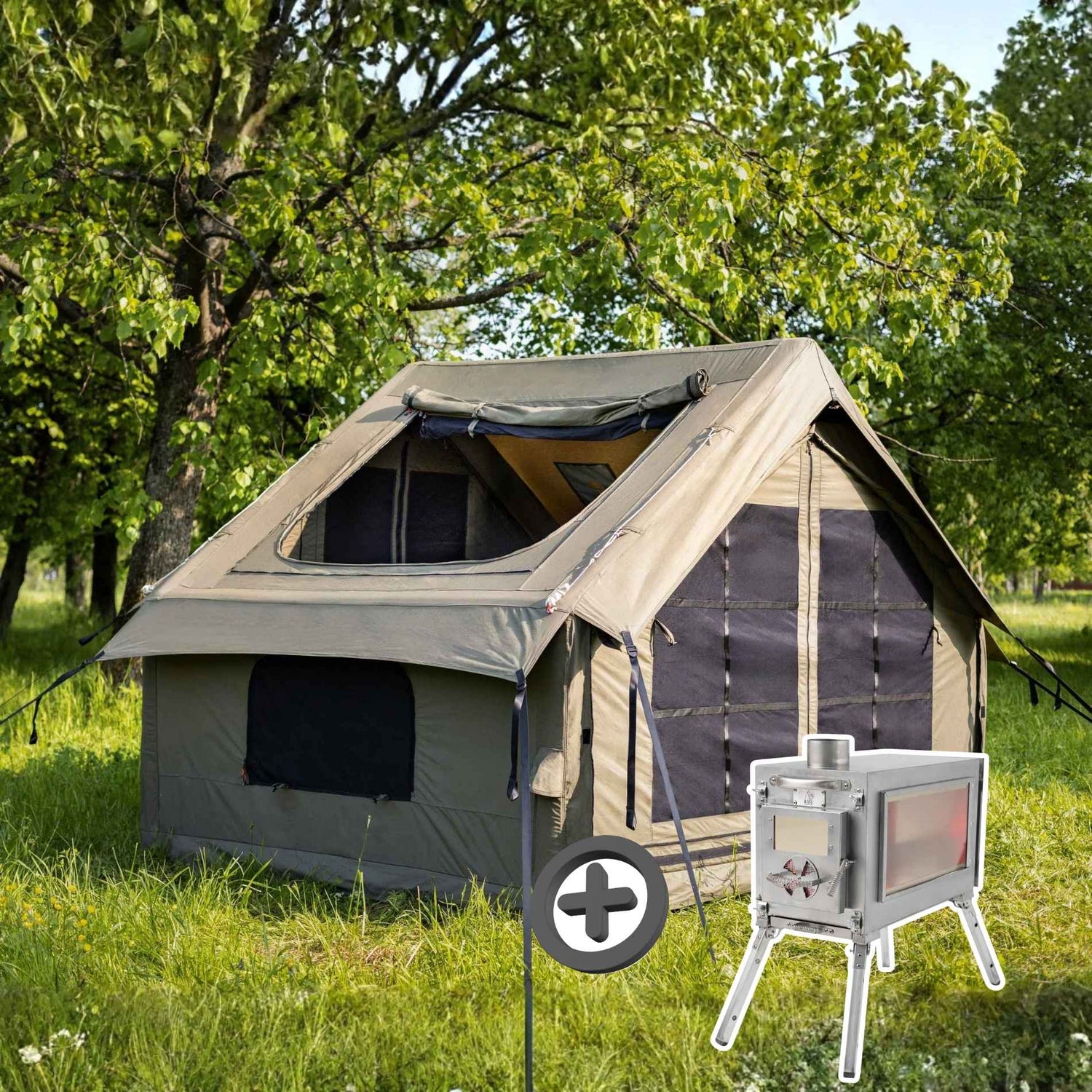

RBM Panda Medium Forest Green Inflatable Hot Tent + Caminus S Wood Stove, 1-4 People


Description
Panda Air Medium Forest Green + Caminus S Stove Bundle
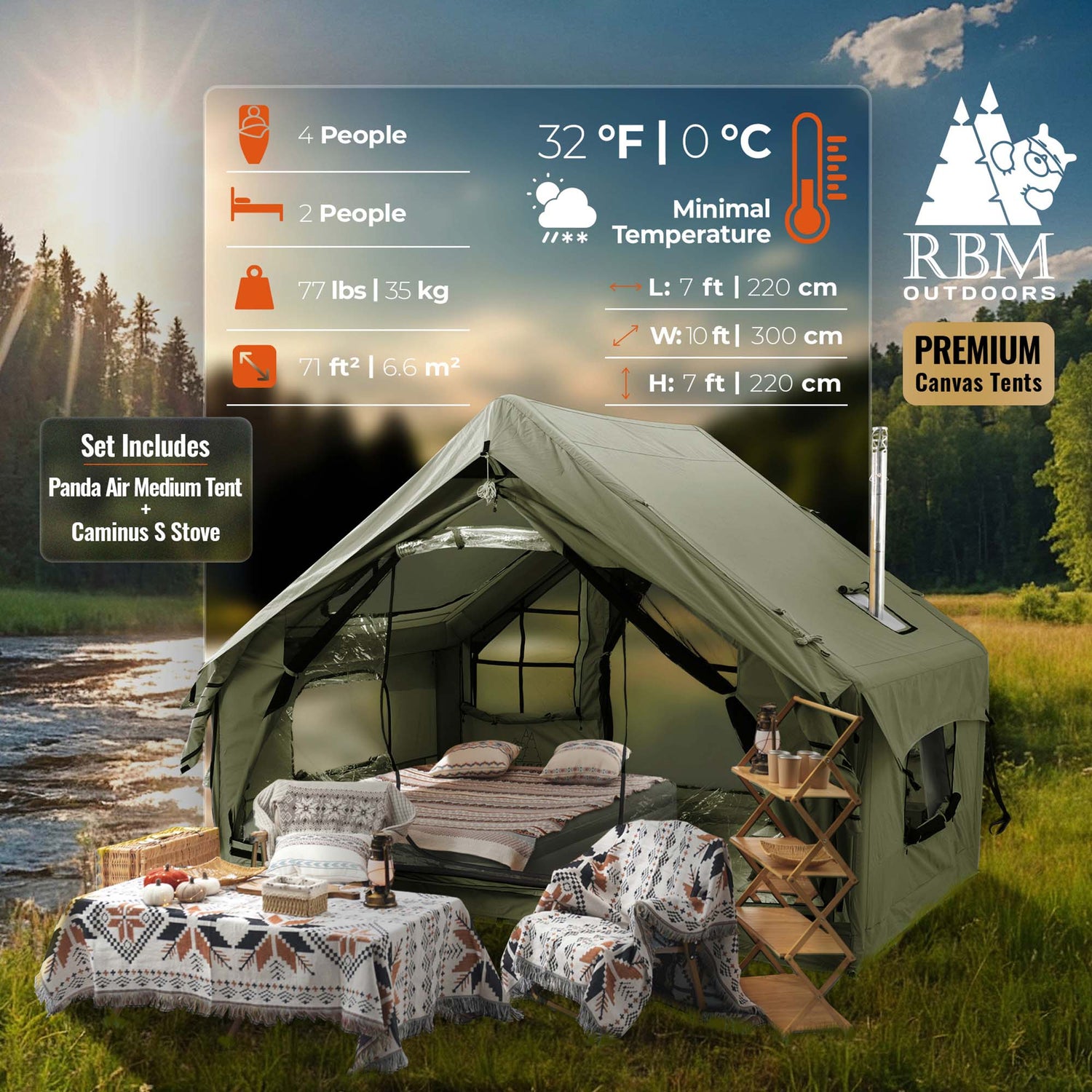
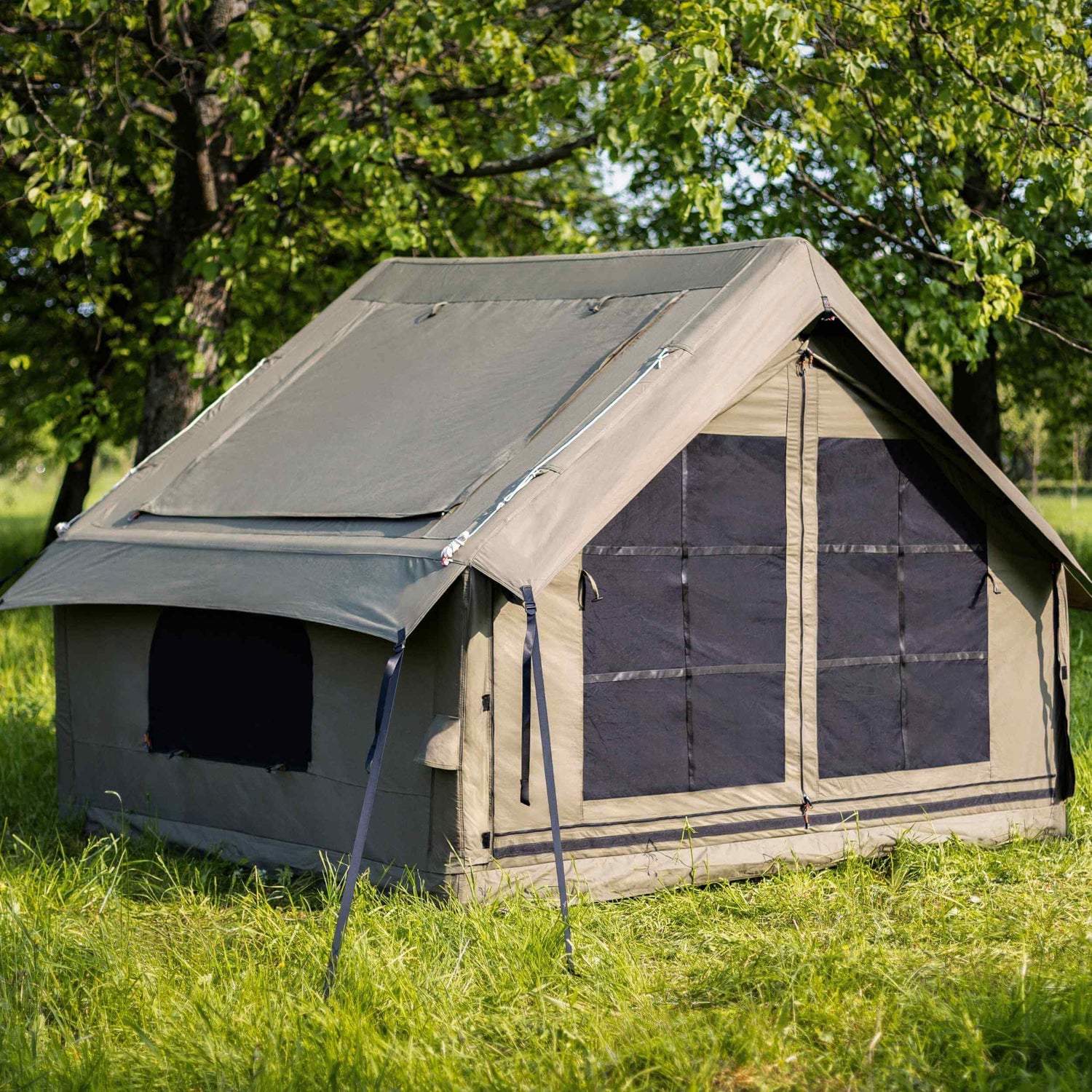
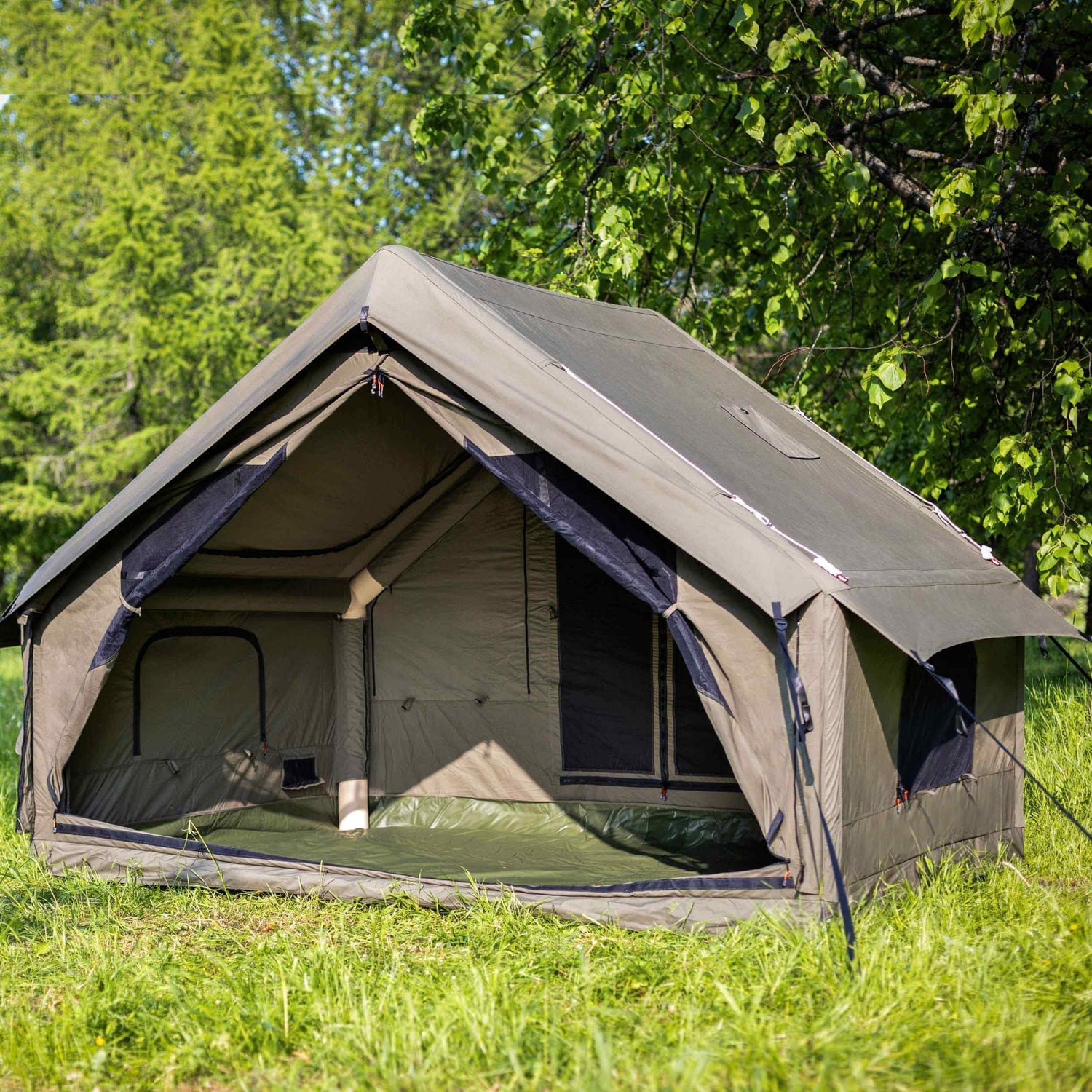
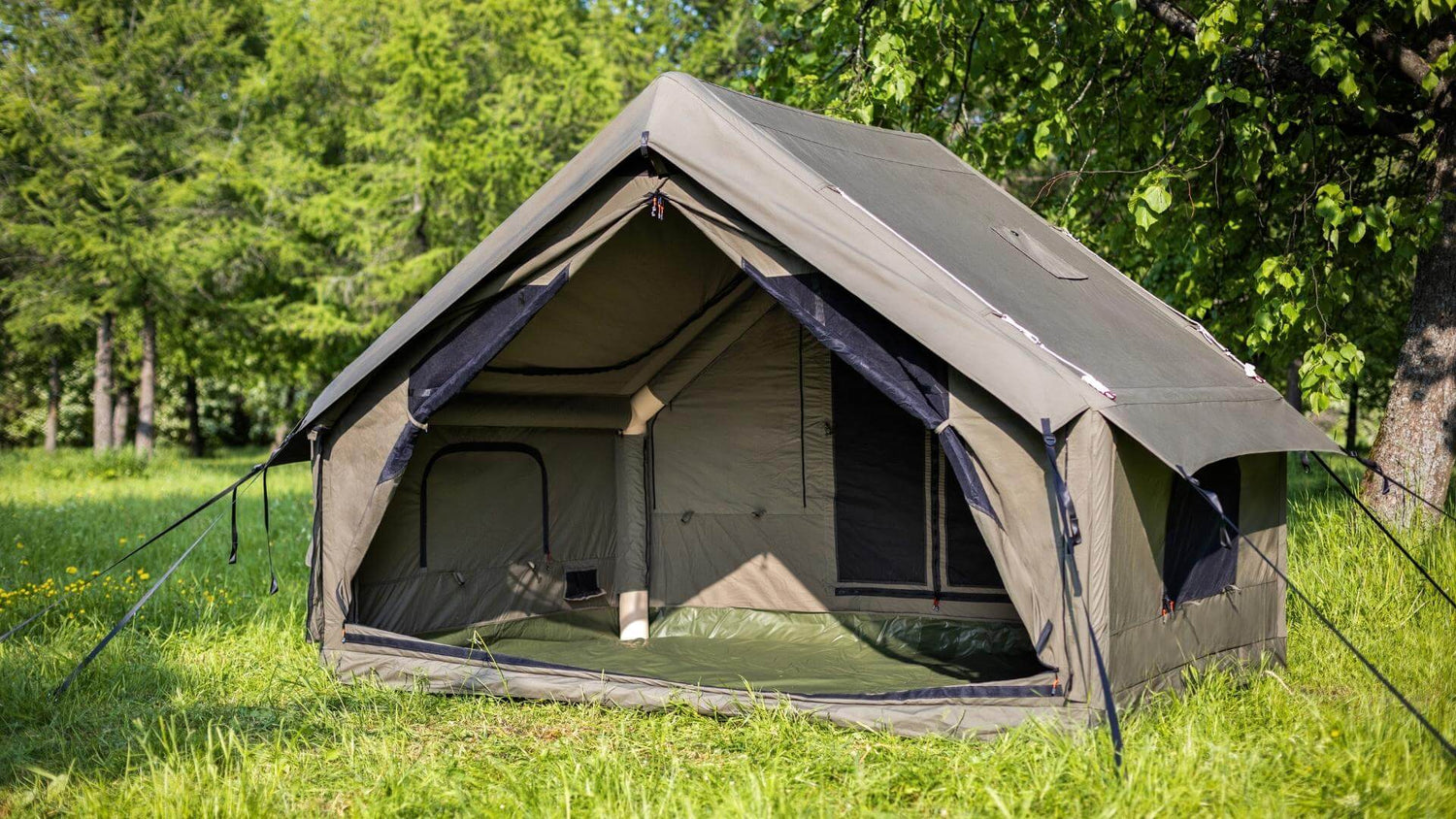
This bundle combines the Panda Air Medium Forest Green inflatable tent with the compact Caminus S wood stove. It is designed for campers who want a small, efficient shelter with reliable heat for cooler conditions.
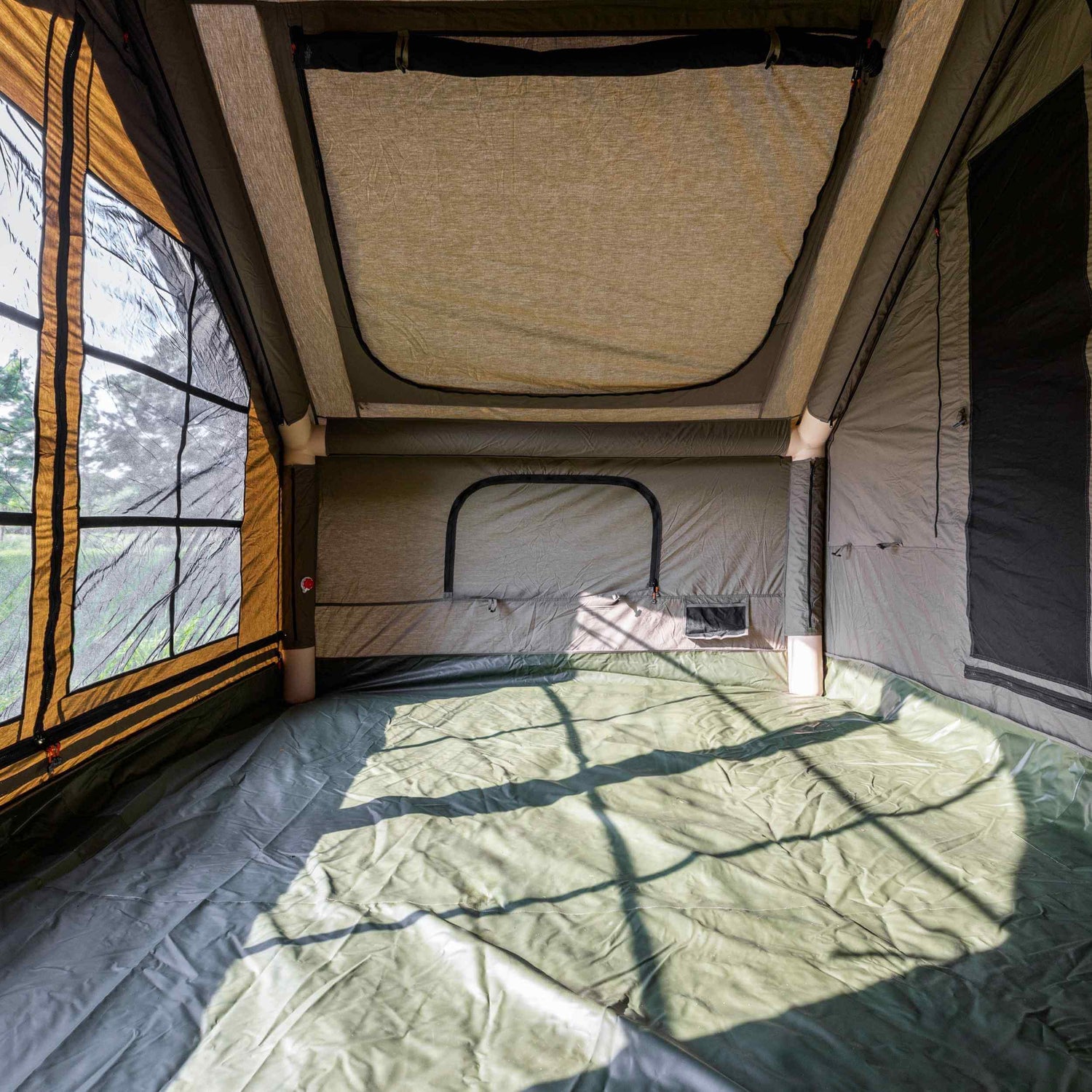
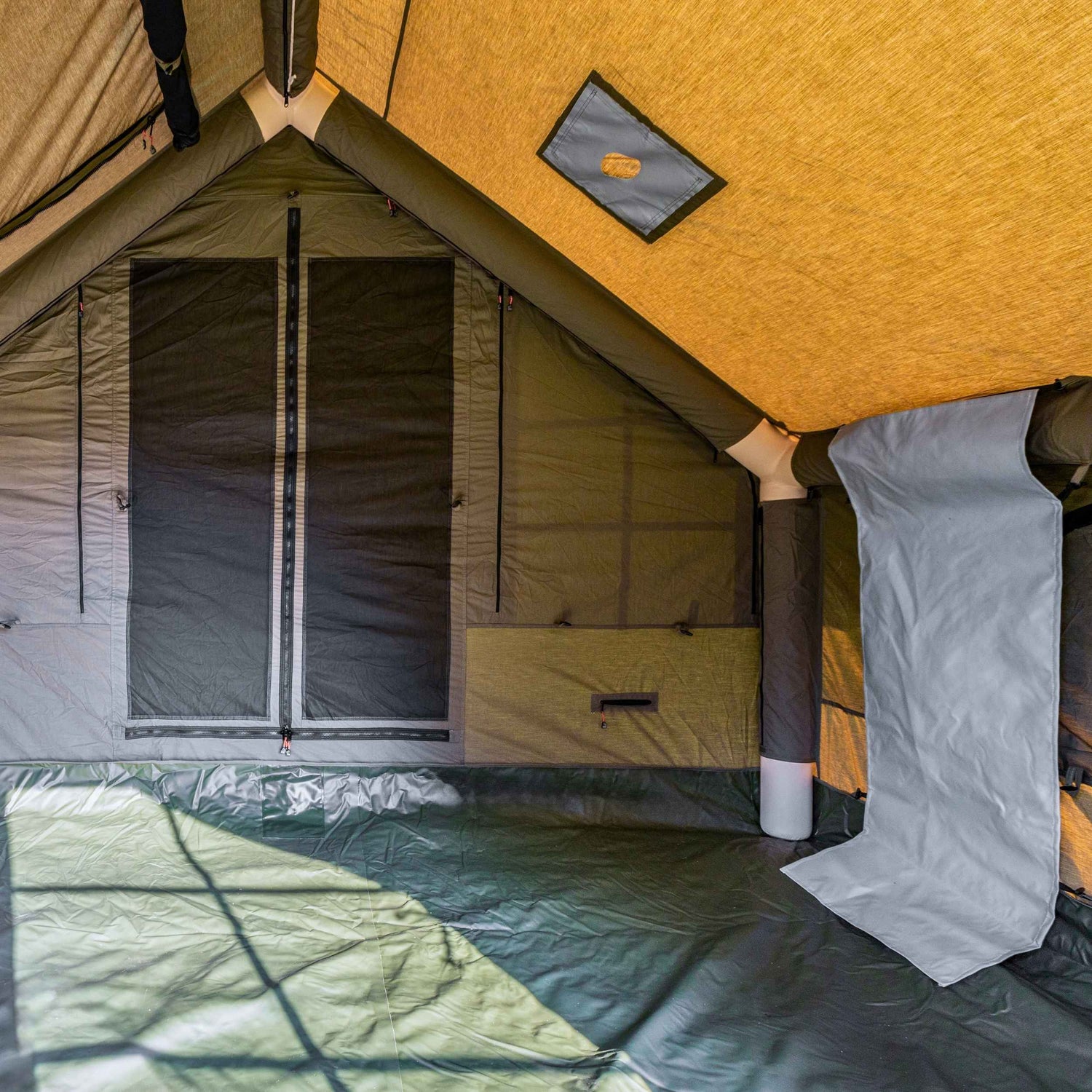
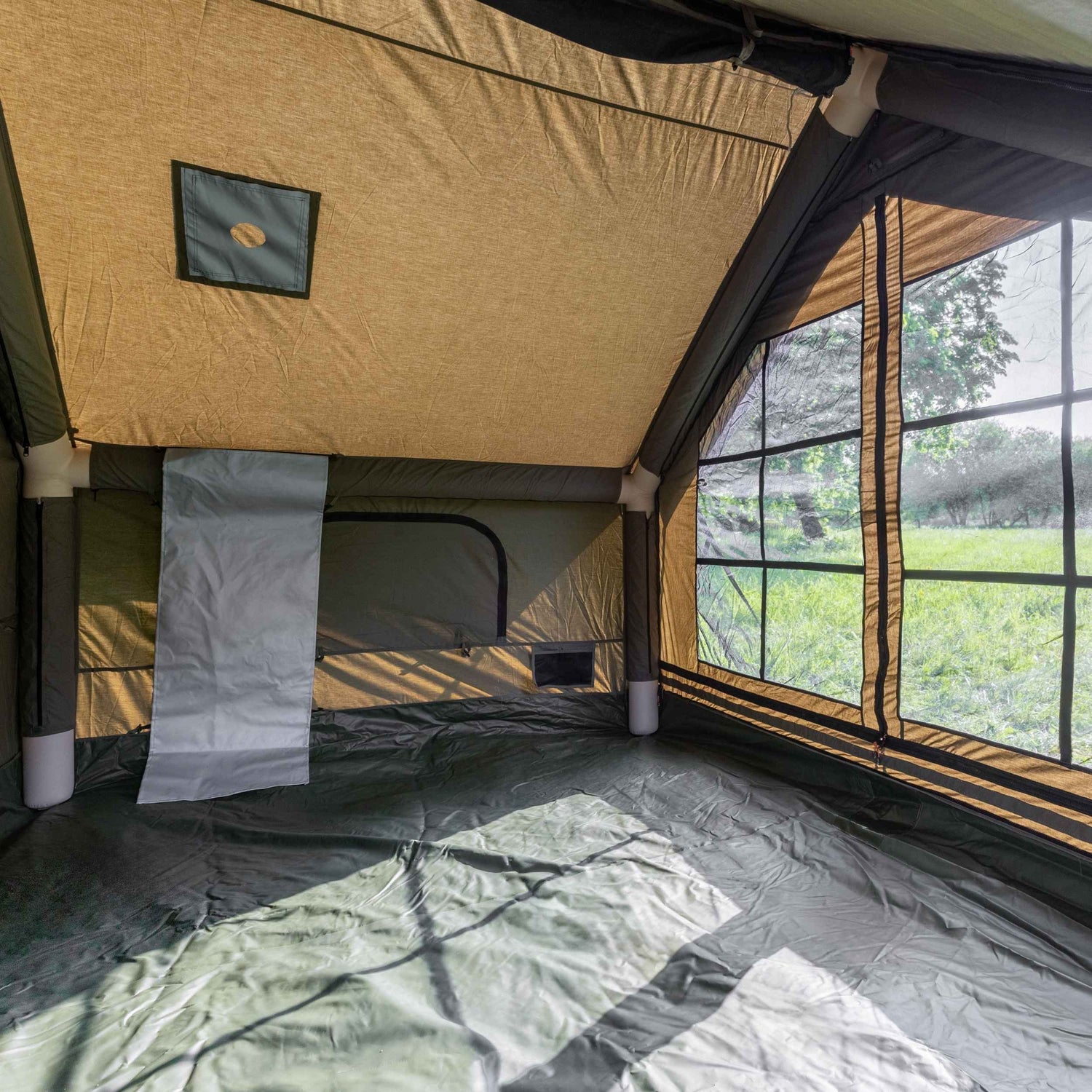
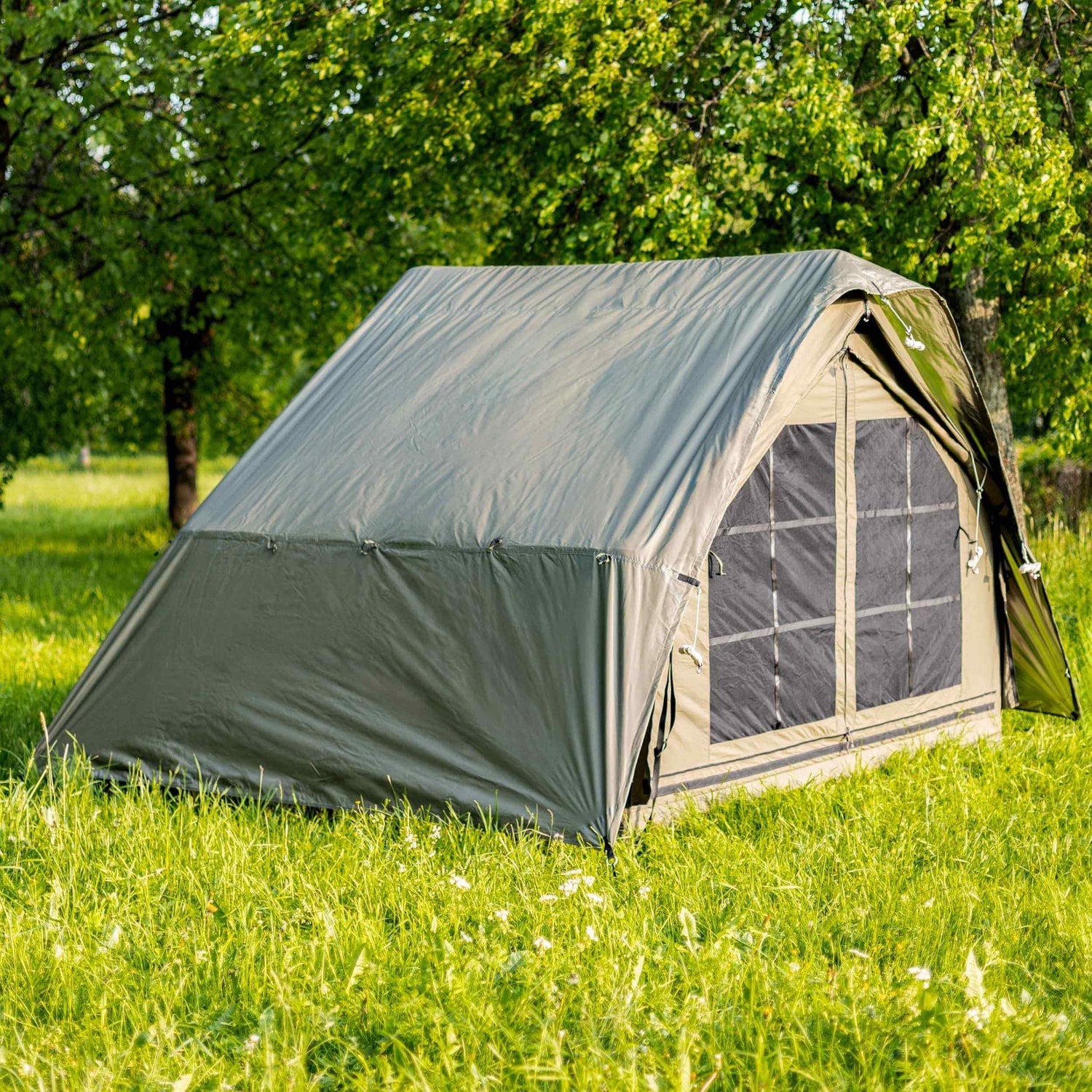
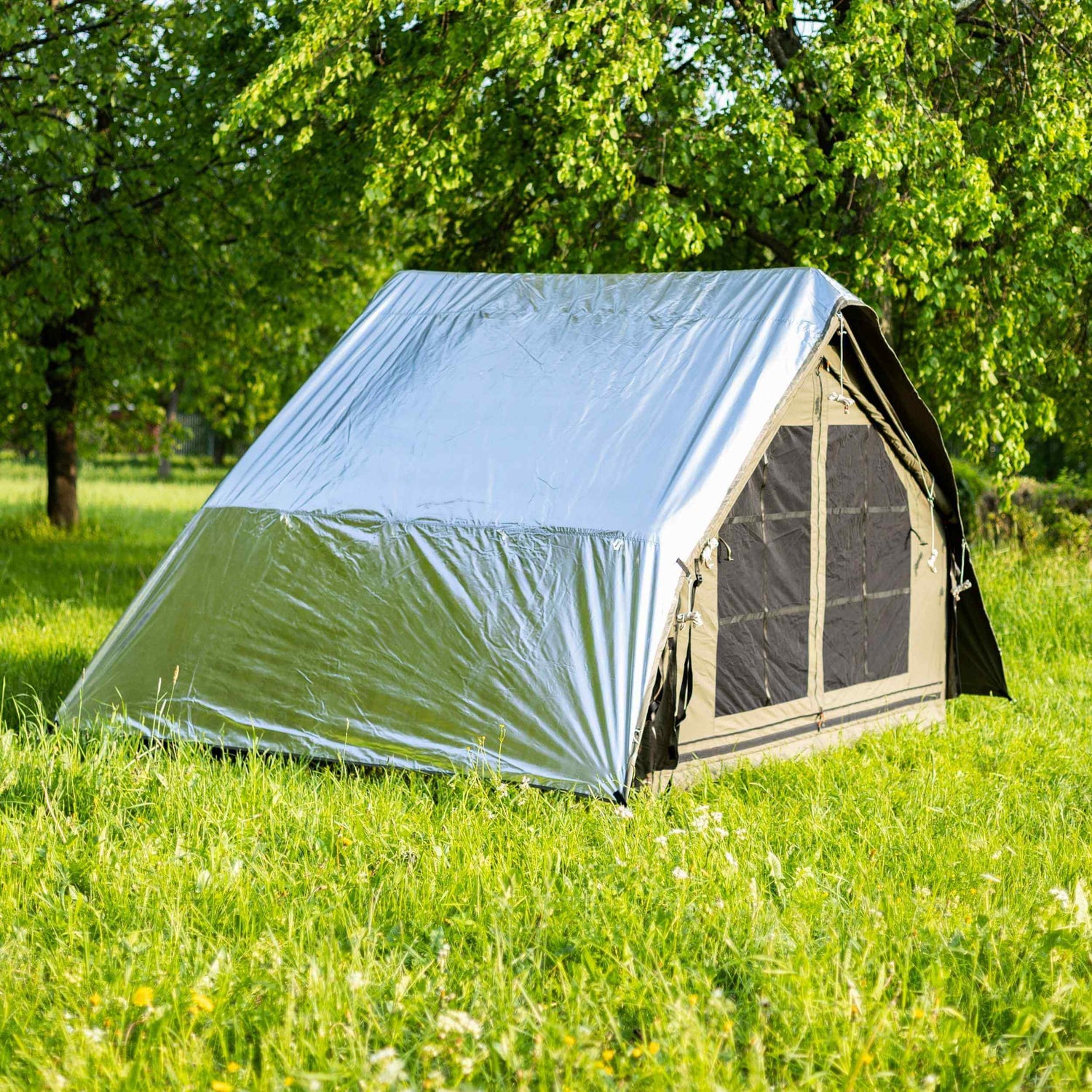
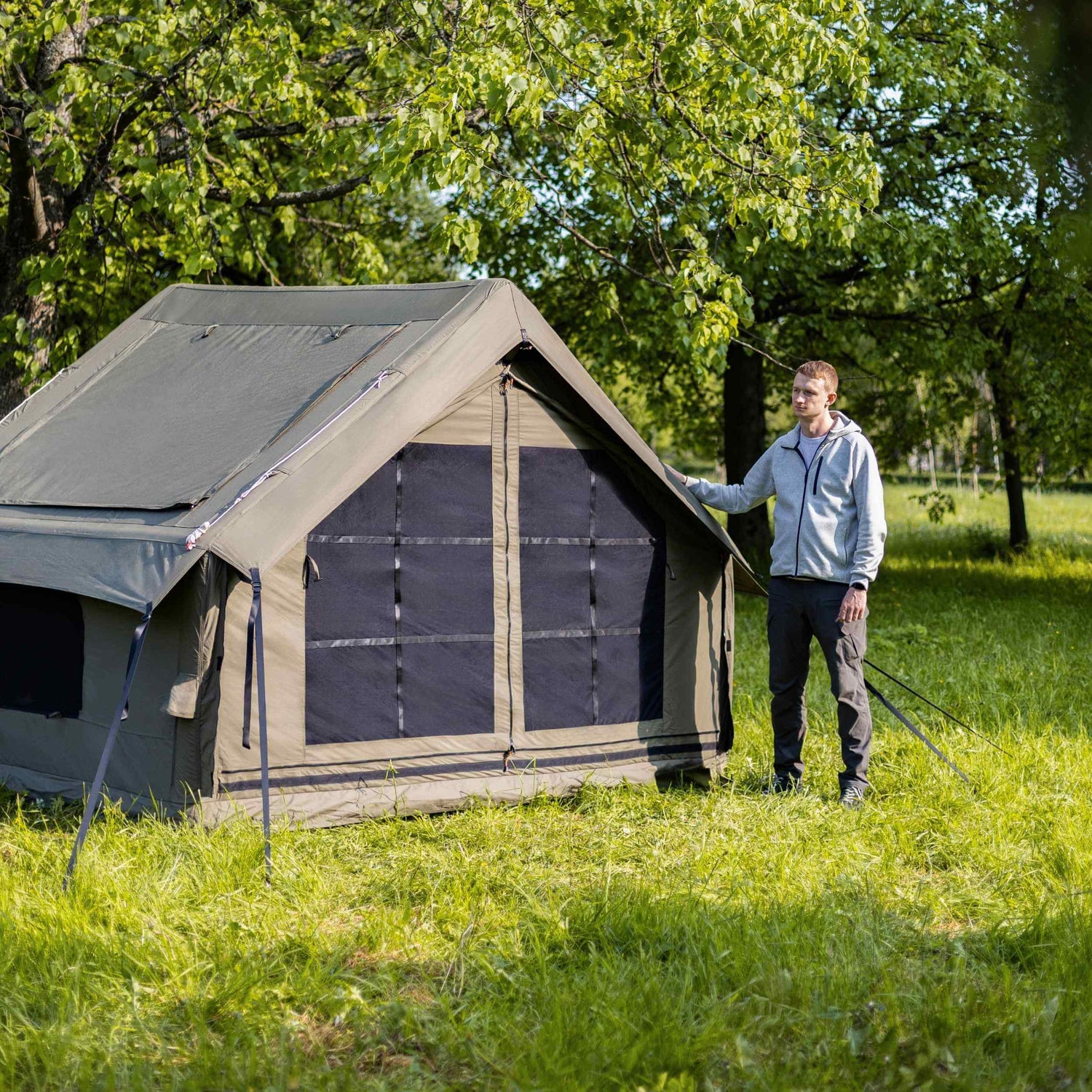
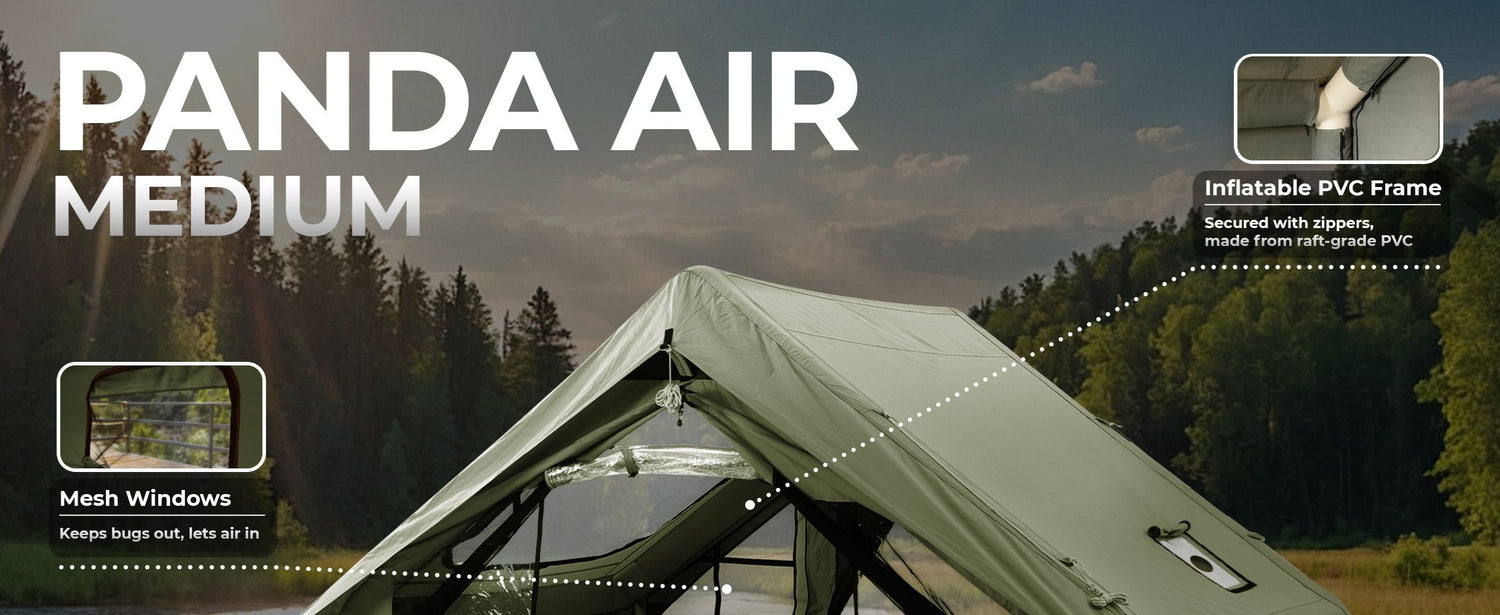
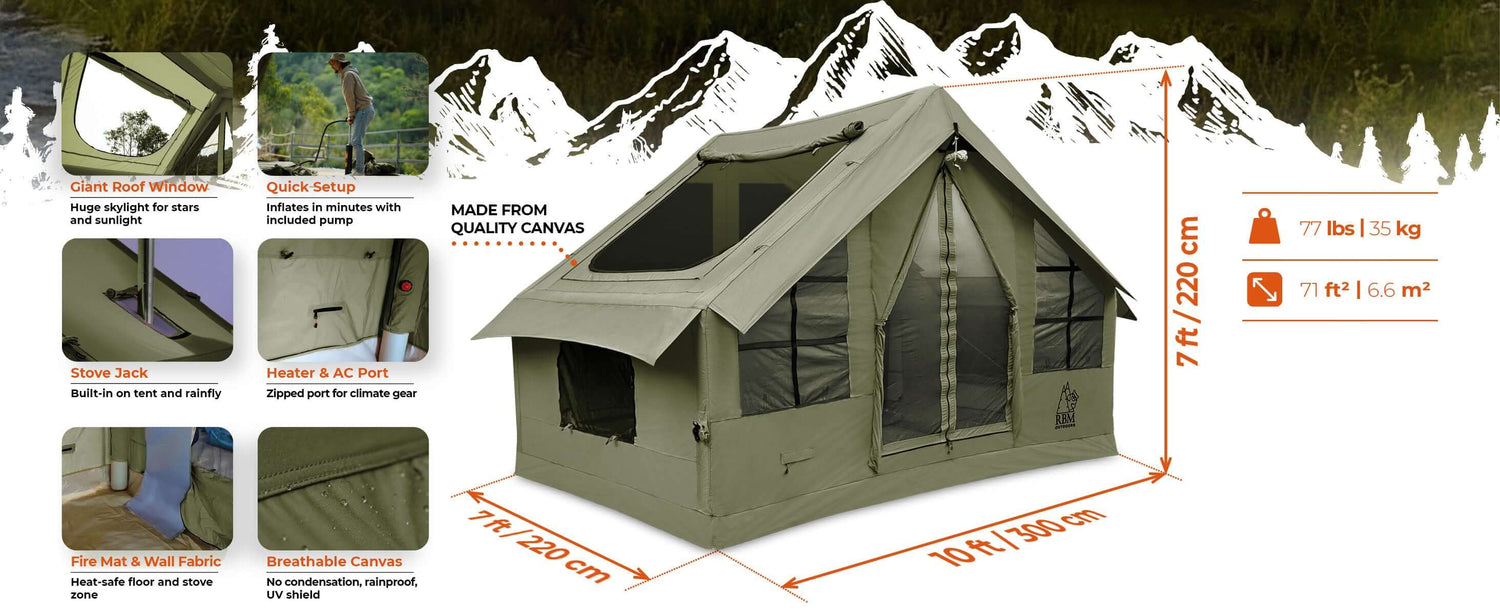
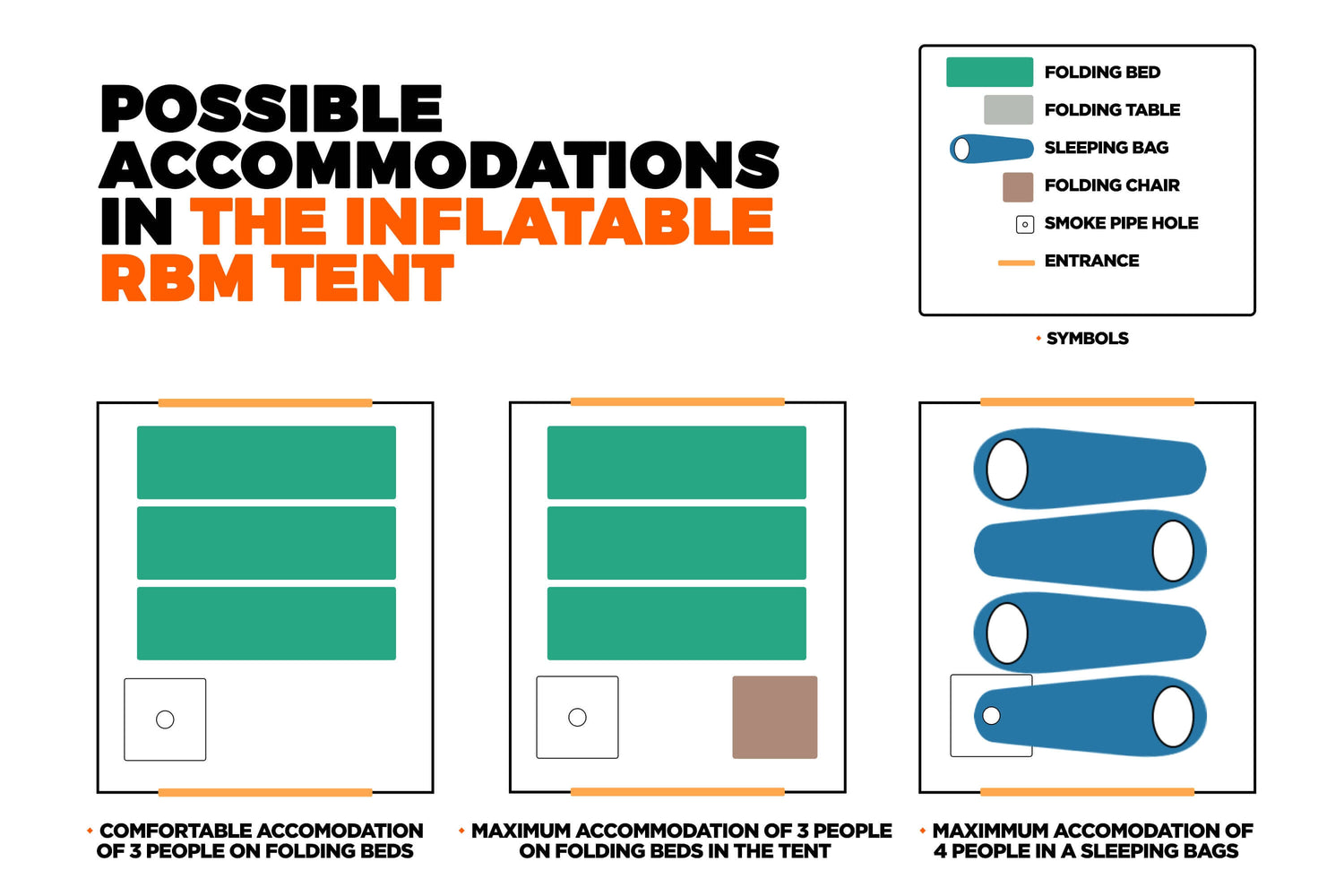
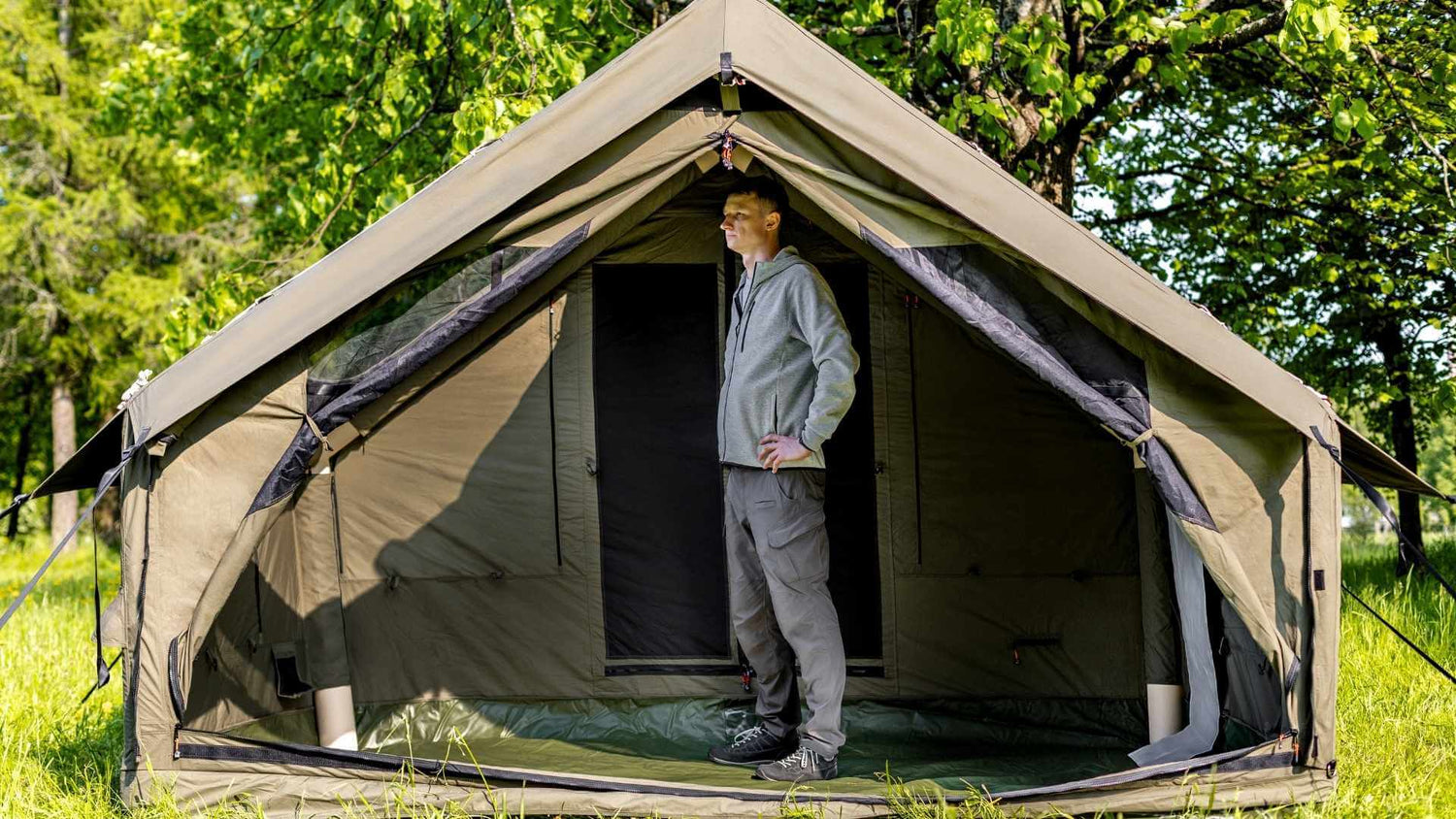
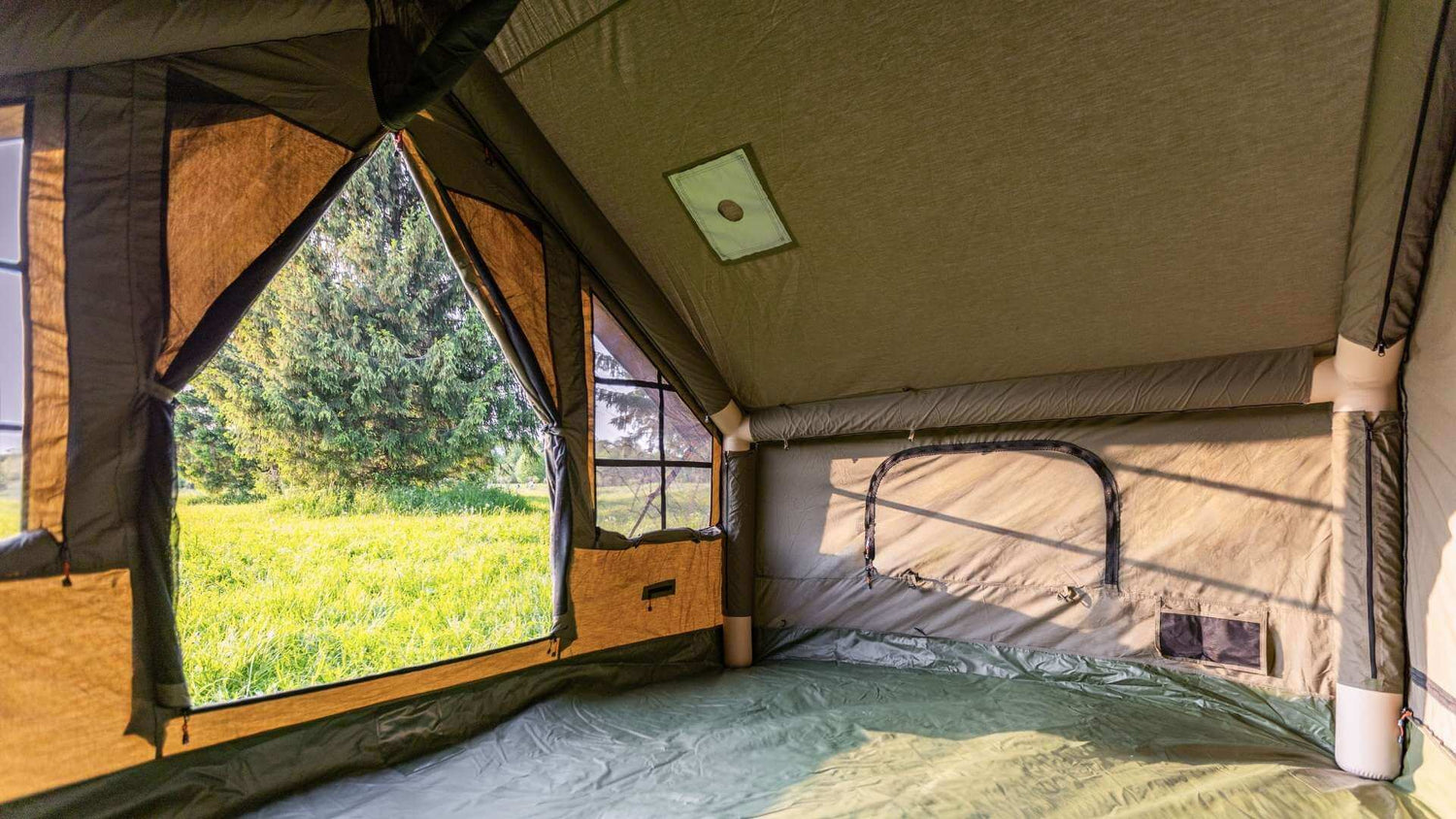
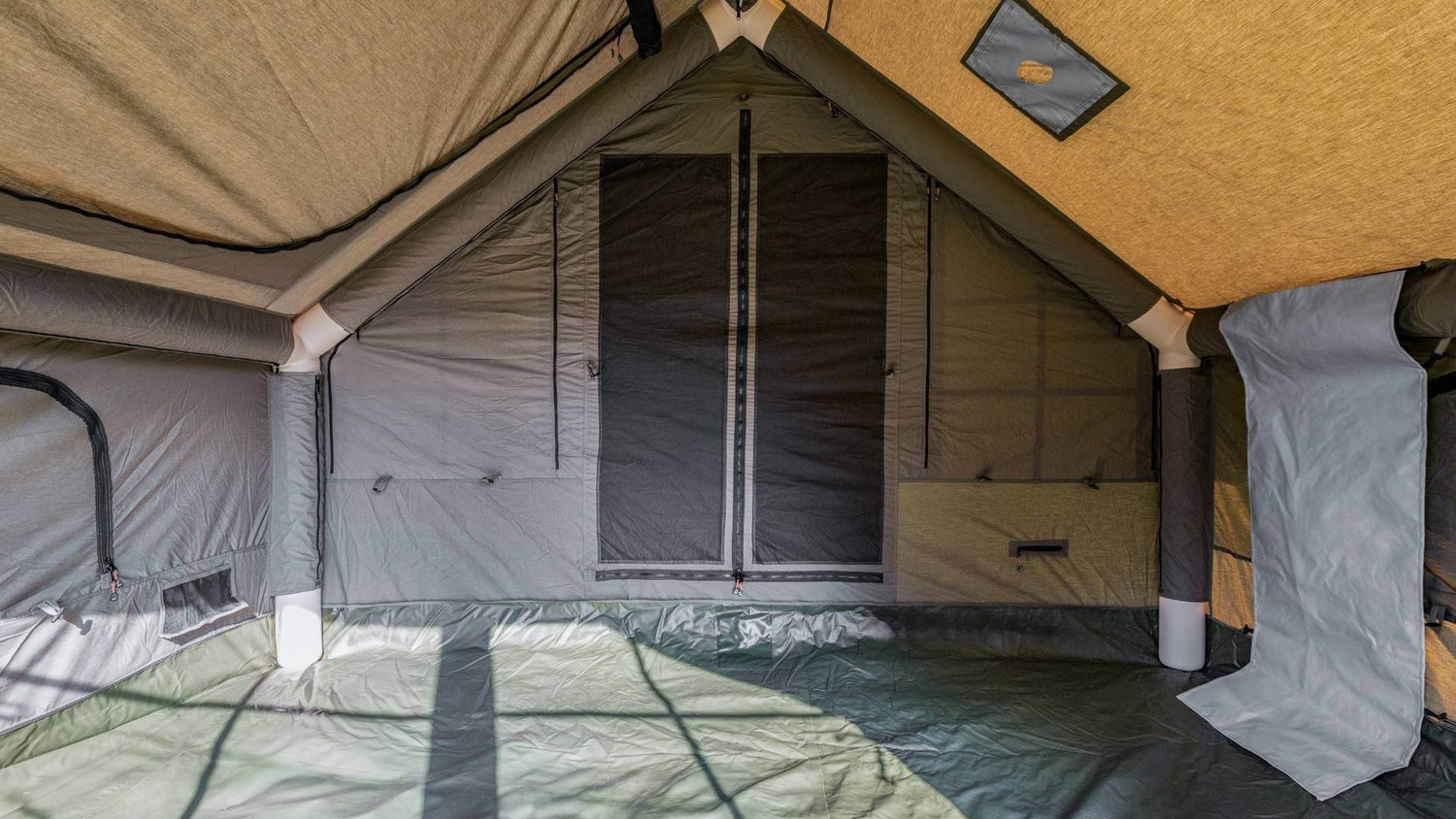
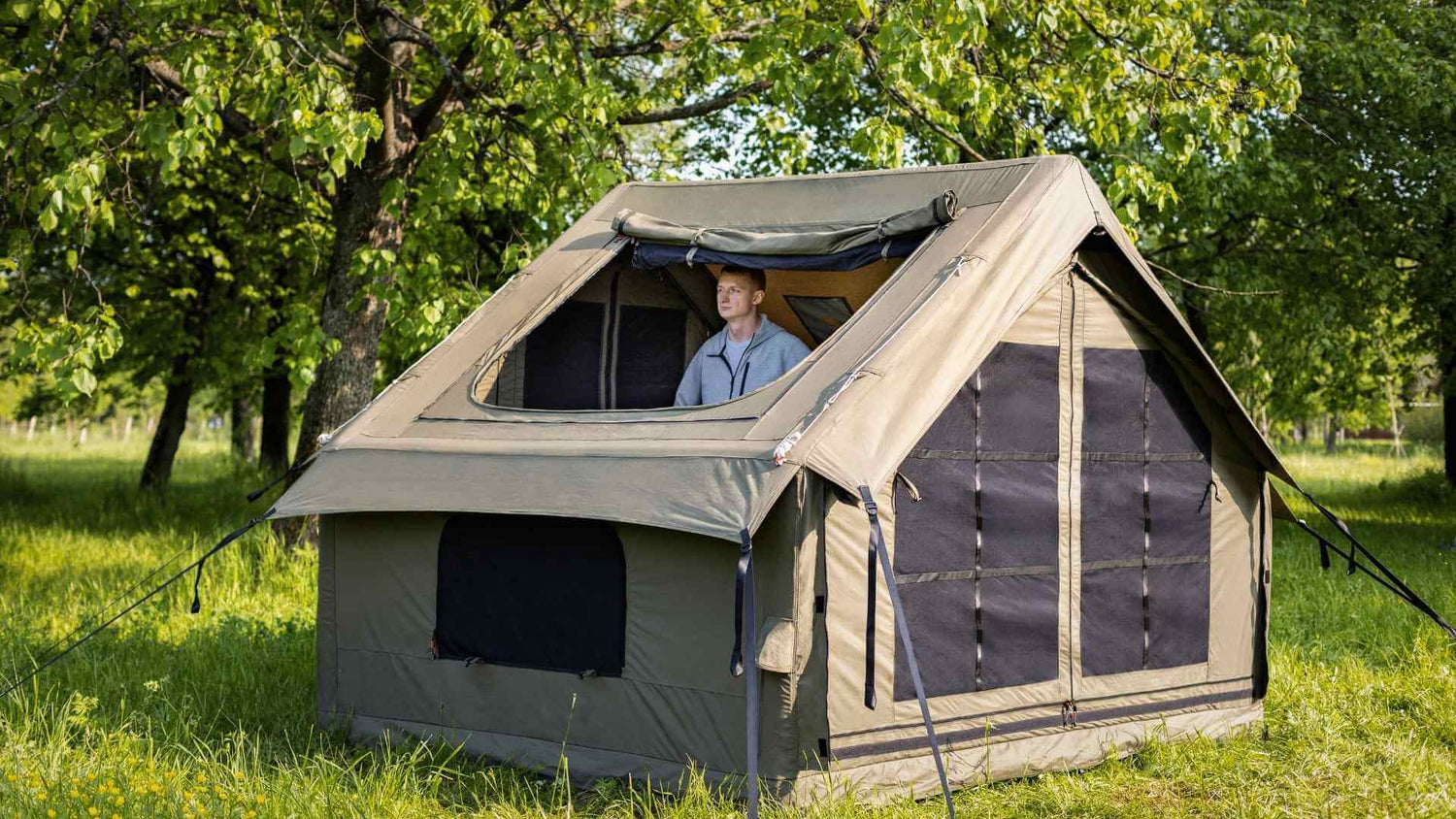
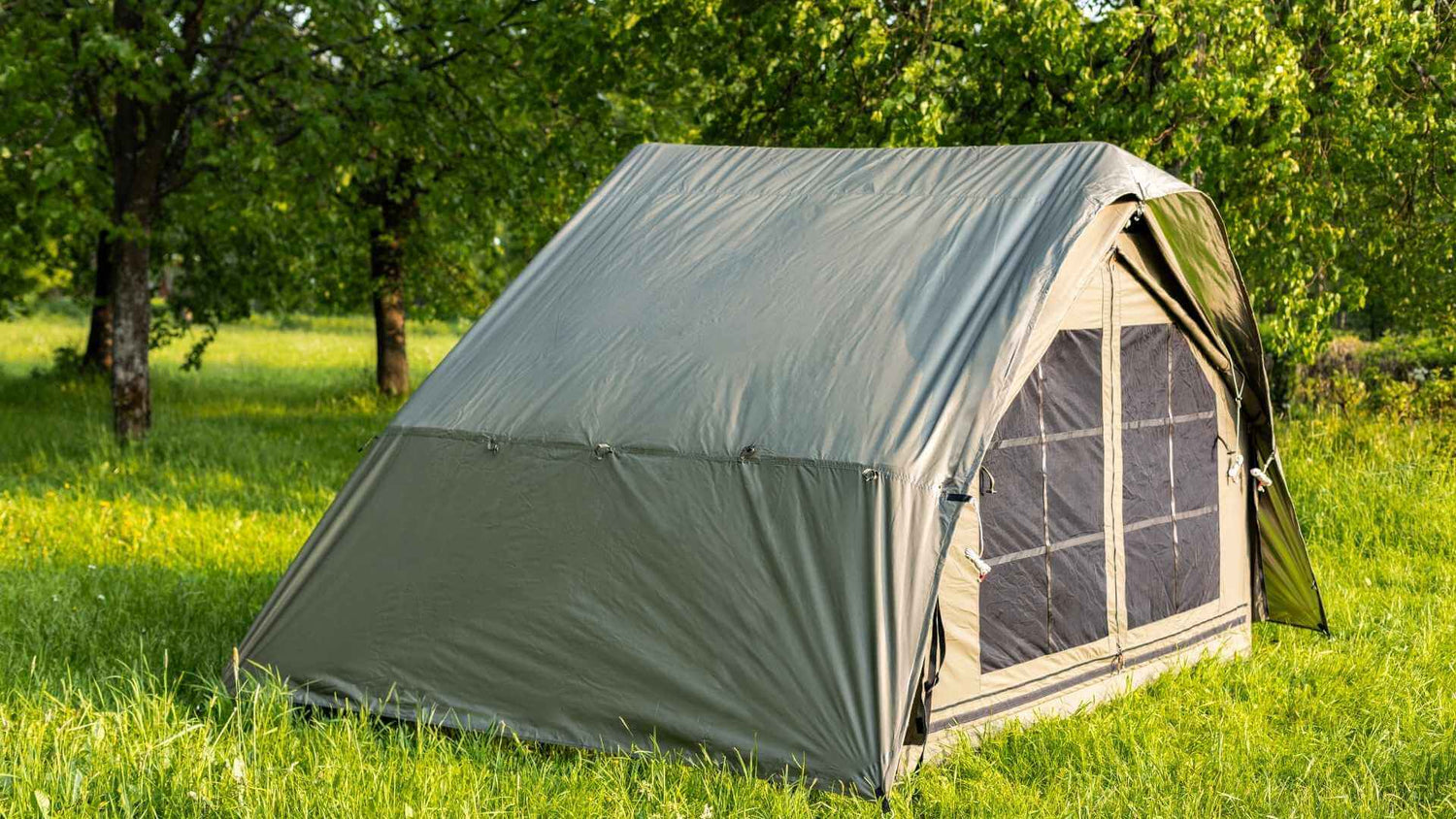
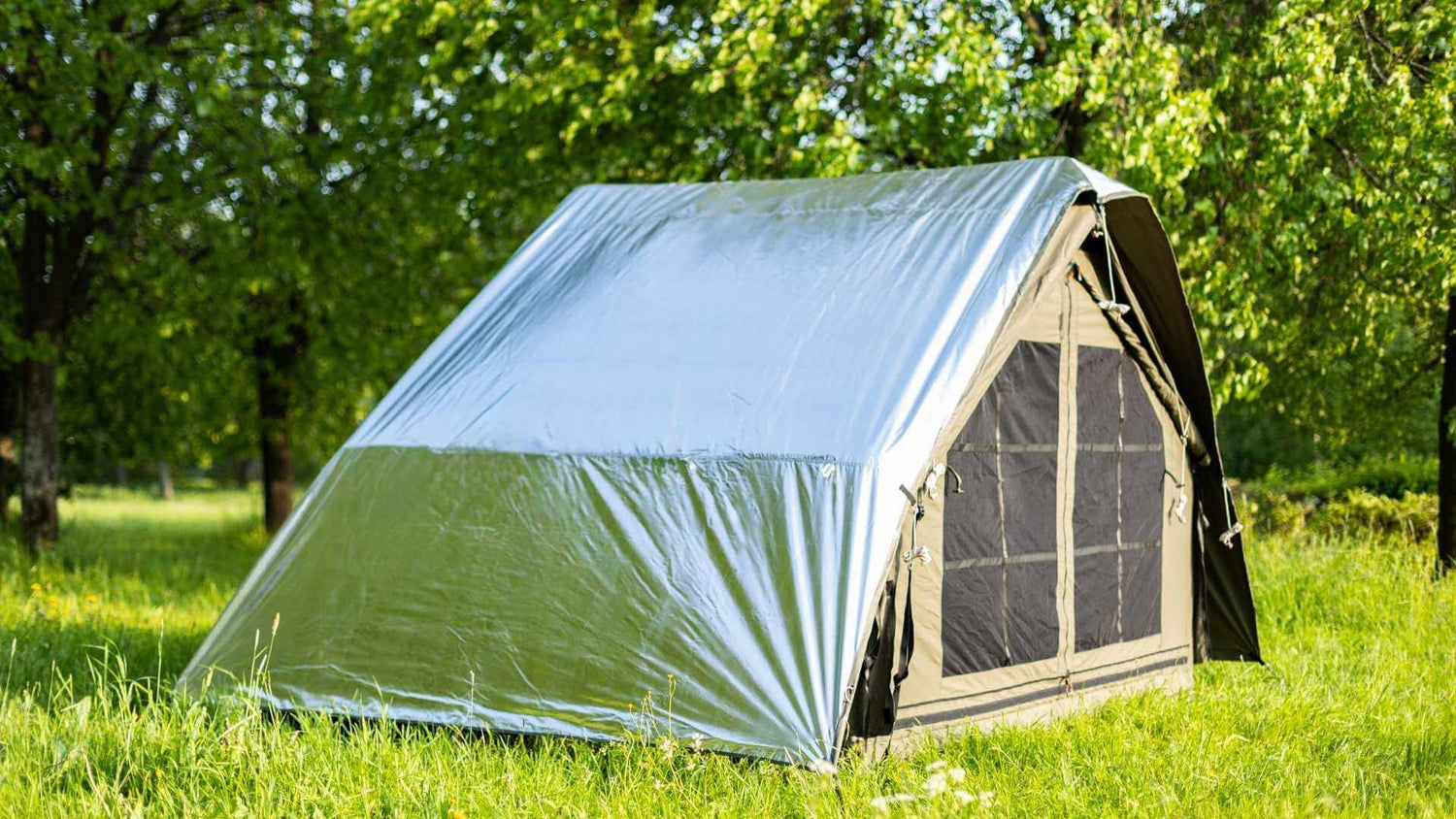
The Panda Air Medium is ideal for 1–4 people. Its air beam structure replaces traditional poles, allowing fast setup with the included pump. The waterproof and breathable canvas helps reduce condensation while maintaining a comfortable interior climate.
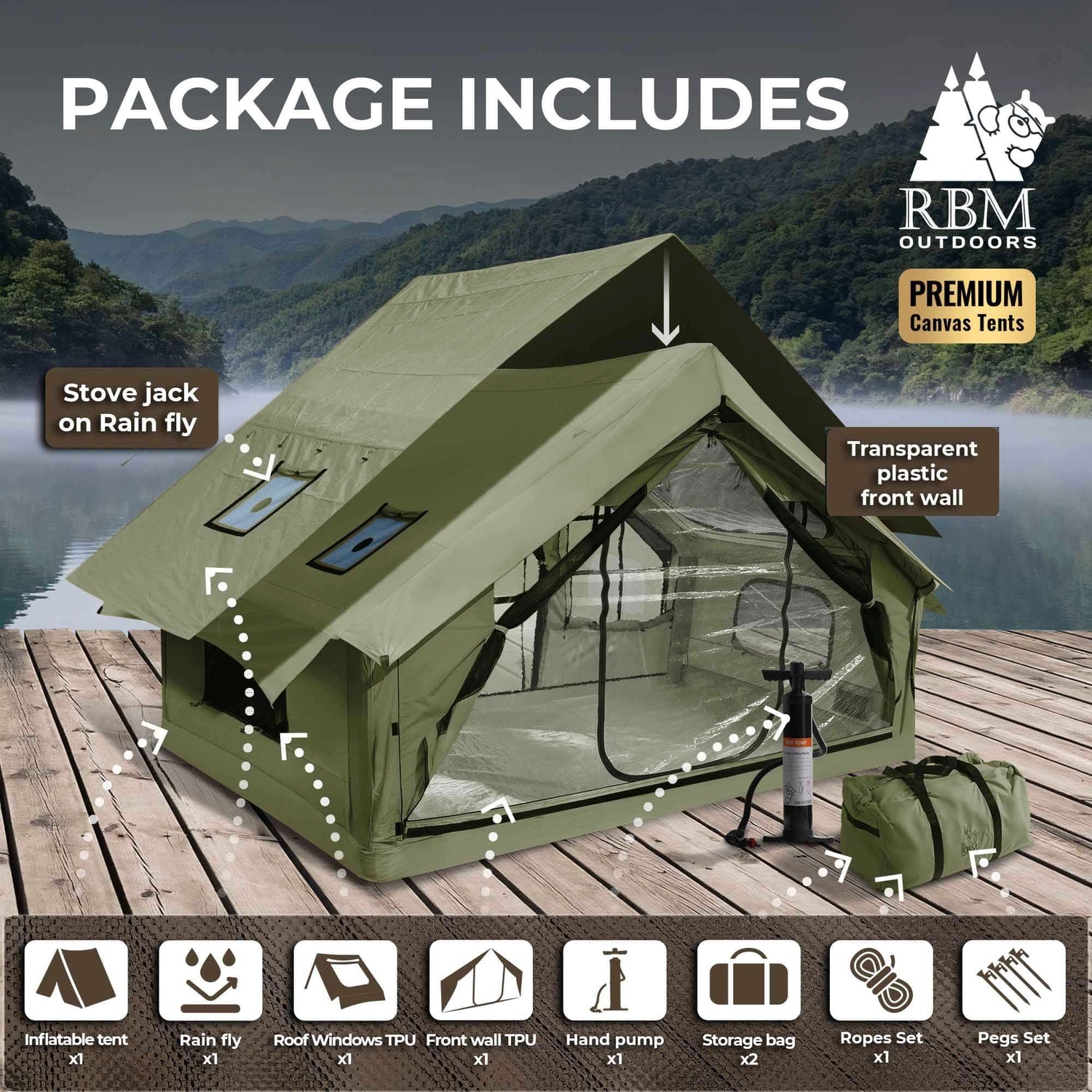
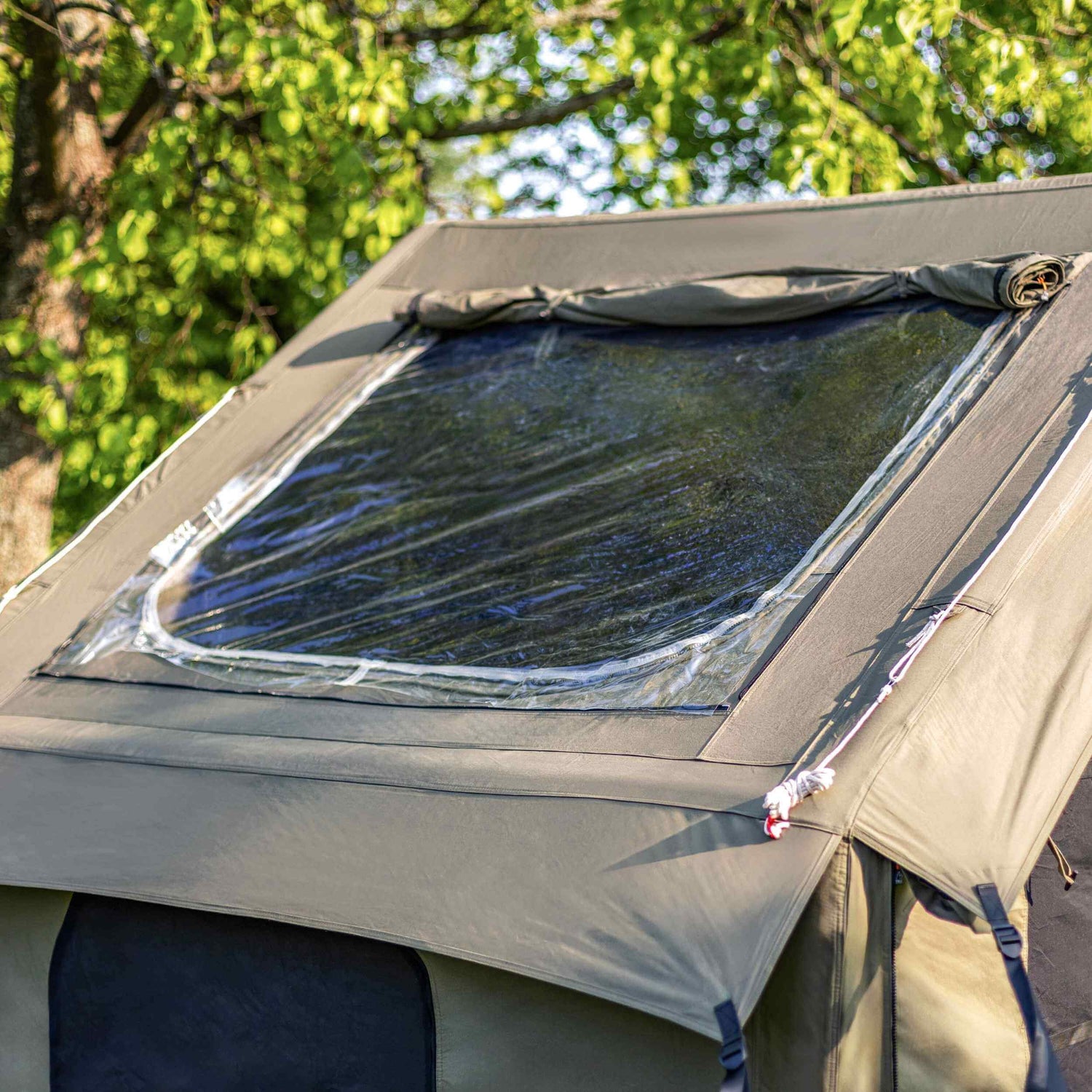
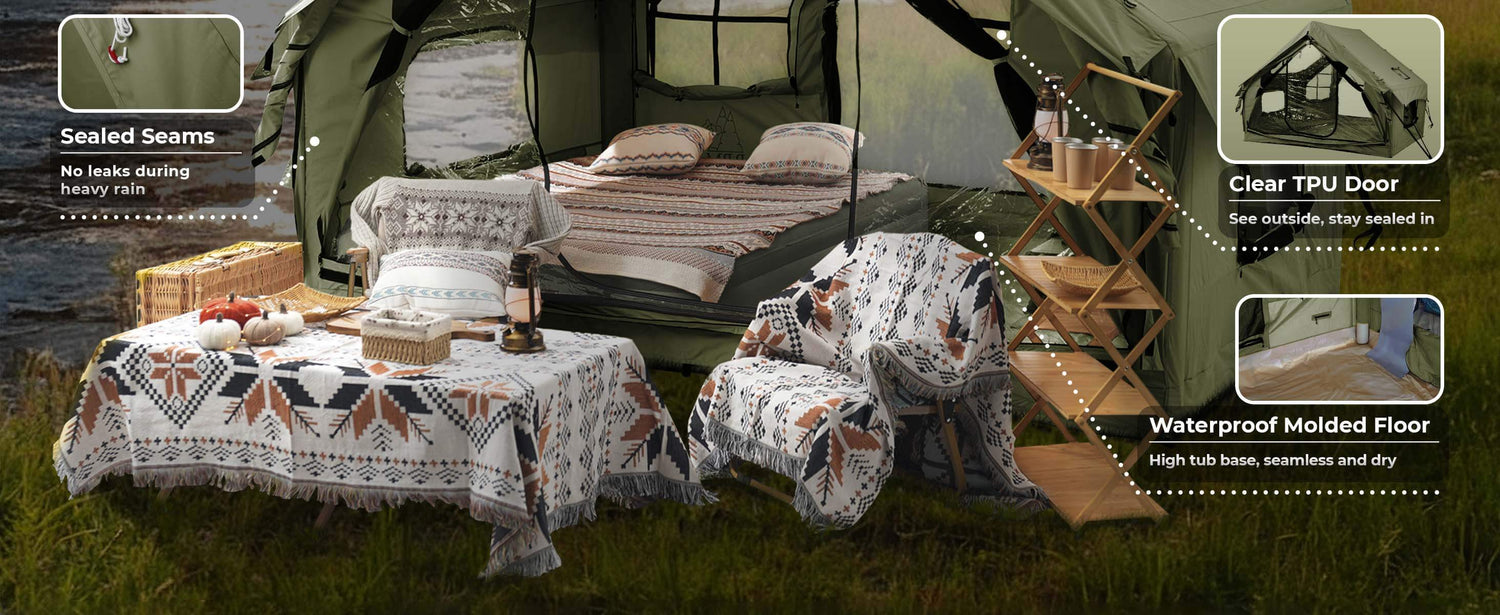
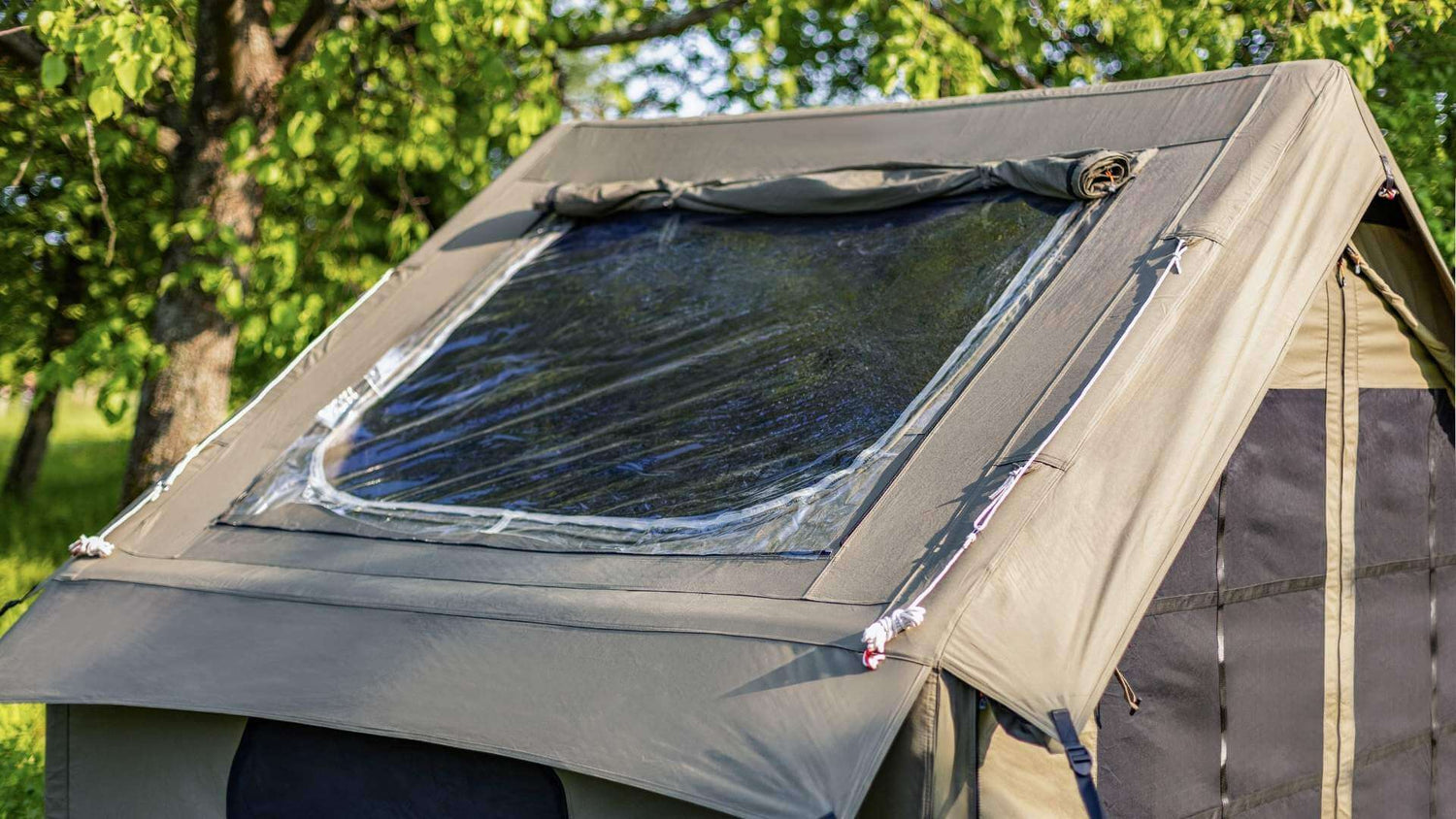
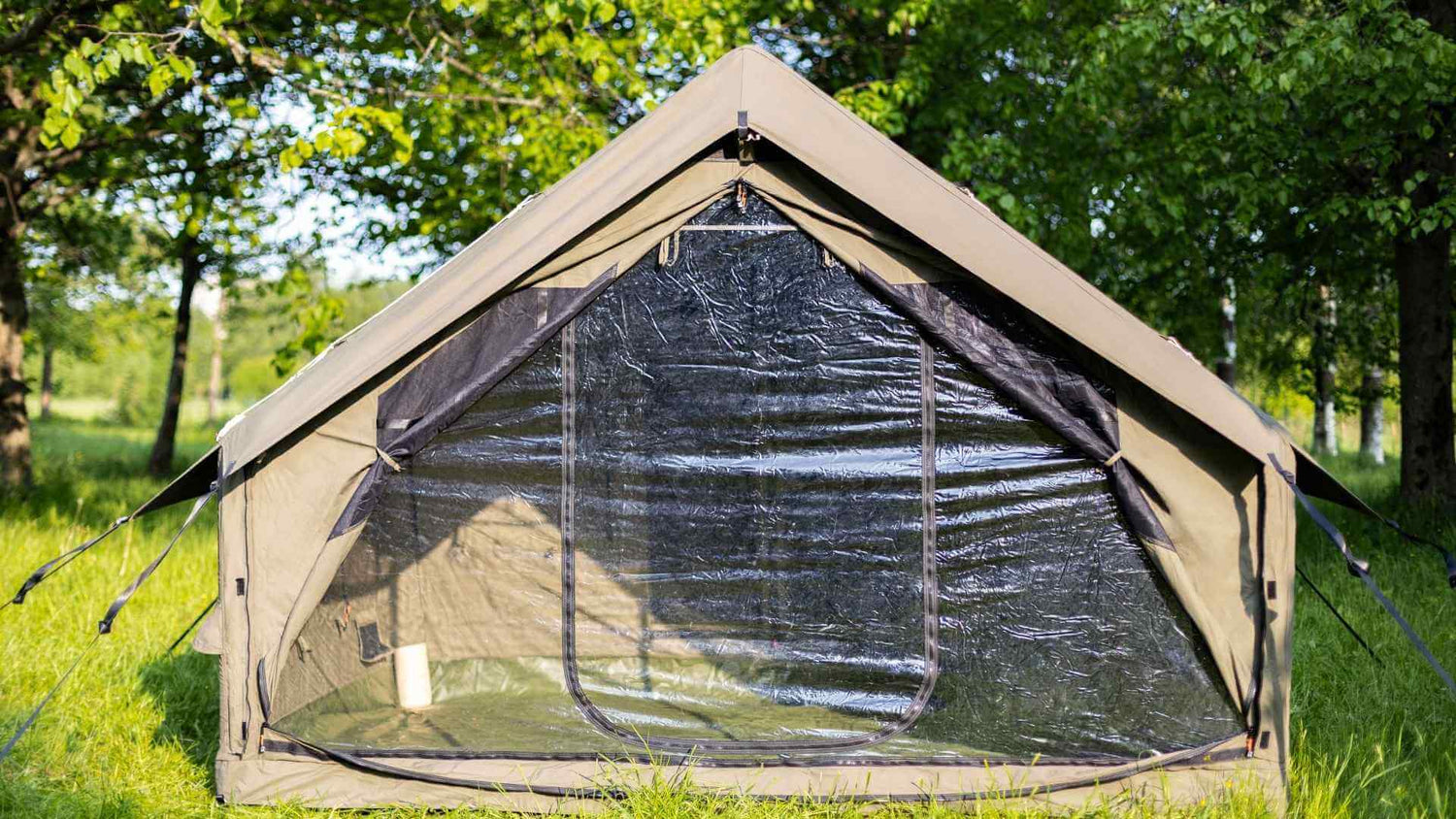
The built-in stove jack makes the tent fully compatible with the Caminus S. Mesh ventilation panels and durable TPU windows provide airflow and natural light. The removable front wall allows you to adjust privacy and ventilation as needed.
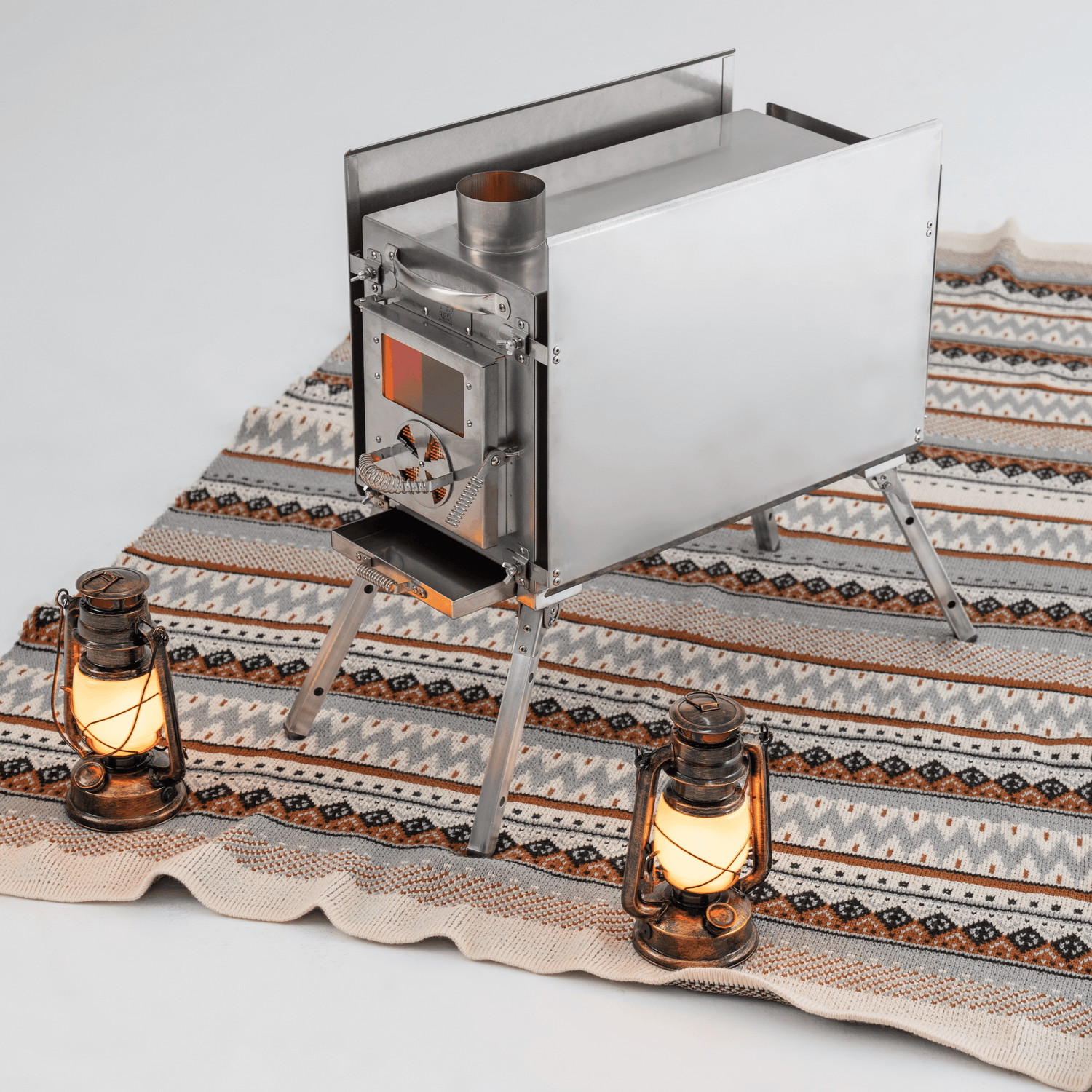
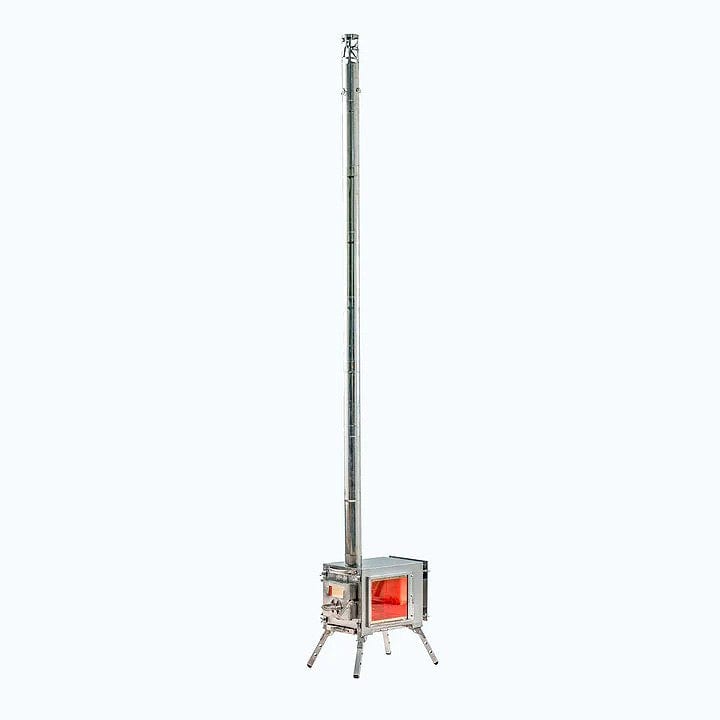
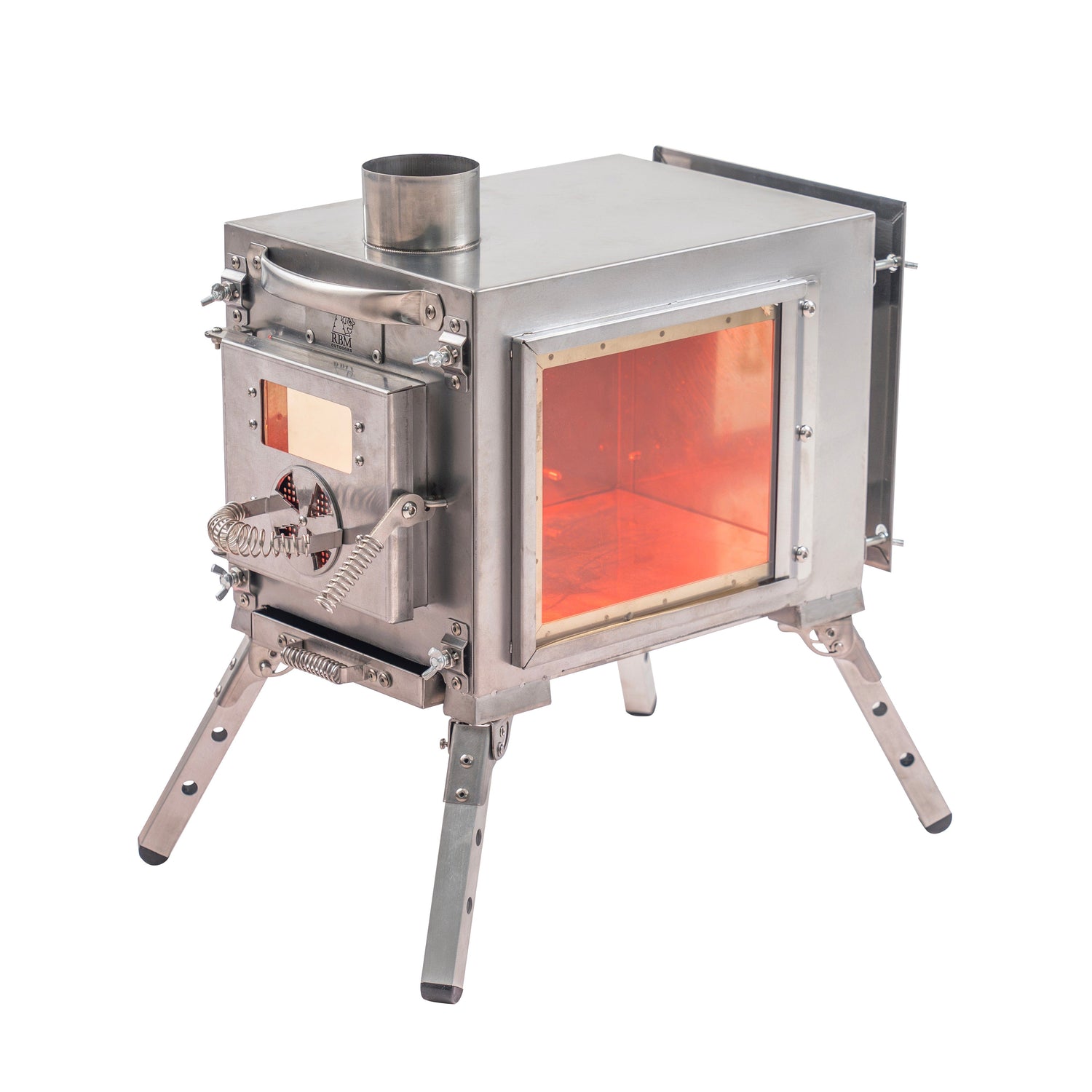
The Caminus S stove delivers efficient wood burning in a compact format. Built from durable stainless steel, it is made for repeated outdoor use. Heat-resistant glass panels allow you to monitor the fire while adding warmth and soft light inside the tent.
Together, this bundle creates a complete small camping solution with shelter, heating, and cooking capability. Ideal for weekend trips, road travel, and four-season camping above 0°C (32°F).
Available with delivery across the USA and Canada.
Warranty
General Warranty
Coverage: All products purchased from our website
Duration: 1 year
Details: If anything goes wrong with your purchase within the first year, we will assist in making it right
We stand by the quality of our products and want you to have the best possible experience with them.
Premium Inflatable Tent with Stove Jack "Panda air" Medium is a spacious and cozy tent, which is perfect for camping with your family. So, if you are planning a family camping trip, then Premium Inflatable Tent with Stove Jack "Panda air" Medium is definitely the right choice for you.
Premium Inflatable Tent with Stove Jack "Panda air" Medium is equipped with five-layer windows, which can be used for additional ventilation. However, if you want to make sure that the tent is thoroughly ventilated, you can always check out our camping fan. It is a great accessory that will help you maintain even temperatures inside the tent.
Premium Inflatable Tent with Stove Jack "Panda air" Medium is a great choice if you travel by car. However, if you want to install it in a more remote area, you’d need an ATV or snowmobile.
| Specification |

RBM Panda Medium Forest Green Inflatable Hot Tent + Caminus S Wood Stove, 1-4 People
$1,737.12
|

RBM Panda Large Forest Green Inflatable Hot Tent with Stove Jack, 2-6 People
$1,599.00
|

Coody 8.0 Forest Green Inflatable Tent for Camping (1-4 person)
$1,259.00
|
|---|---|---|---|
| Width | 3,00 m (118.11") | 3,20 m (125,98") | |
| Length | 4,00 m (157.48") | 2,50 m (98,43") | |
| Height | 2,20 m (86.61") | 2,20 m (86,61") | |
| Net weight | 48,00 kg (105.82 lb) | 35 kg ( 77,16 lb) | |
| Floor Area | 6,6 m² (71.04 ft²) | 11,98m² (129 ft²) | 8,0m² (86,11 ft²) |
| Ceiling height | 2,08 m (81.89") | 2,04 m (80.31") |

✓ Setup
Panda Air Medium is an inflatable tent — simply use the special pump to inflate it through the single valve. Quick and easy setup!
✓ Strong and Reliable Frame
Durable PVC frame. Every unit is tested for 72 hours to ensure maximum strength and long-lasting reliability.
✓ Fast Deflation and Roll-Up in Minutes
Take it down in minutes—open the valve, let the air out, and roll. Quick setup meets quick pack-up with this easy inflatable design.
Expert Video Reviews
Independent experts test our tents in real conditions, highlight the benefits, and answer your key questions before you buy.
⚠️ Bear in mind, actual product may vary slightly from the images.